Understanding Influencing Factors
A neutral, descriptive account of the various internal and external factors that the broader literature associates with male pelvic floor health — examined without recommendations or outcome claims.

Why a Multi-Factor View Matters
Discussions of pelvic floor health — in both popular and academic contexts — sometimes focus on a single element as the primary determinant of the region's condition. This reflects a broader tendency in wellness writing to seek simple explanations for complex biological states.
In practice, the pelvic floor exists within an interconnected system. Its condition at any given point is shaped by a constellation of factors operating across different timescales: some are structural and relatively fixed, others are behavioural and subject to variation over time, and others still are environmental or circumstantial.
This article does not claim to enumerate all relevant factors or to assign weight to any of them. Rather, it offers a structured descriptive overview of the categories that appear most consistently in the broader literature on pelvic health — presented here as a framework for understanding the complexity of the subject, not as a guide to any specific course of action.
The goal is clarity of context. Each factor described below represents a dimension of the broader picture, and each is worth understanding independently before attempting to consider how they interact.
Age and Biological Development
Age is among the most commonly cited contextual factors in discussions of pelvic floor condition. The anatomical literature describes a general pattern in which muscular tone and connective tissue characteristics change across the course of adult life, with more pronounced shifts typically noted in later decades.
However, it is worth distinguishing between age as a background context and age as a deterministic cause. The literature consistently shows wide individual variation: pelvic floor condition among men of similar age can differ substantially based on a range of other factors. Age is therefore better understood as one dimension of context rather than a predictive measure on its own.
Developmental factors — including the pattern of physical development across the lifespan — are also discussed in the academic literature as relevant to baseline structural characteristics.

Postural and Movement Patterns
The relationship between posture and pelvic floor function is a recurring theme in movement science and physiotherapeutic literature. The pelvic floor operates as part of a larger functional unit that includes the diaphragm, the deep abdominal muscles, and the spinal stabilisers. Disruptions to the coordination of this unit — whether through habitual postures, patterns of movement, or periods of prolonged sedentary behaviour — are discussed in academic contexts as relevant to pelvic floor engagement.
Occupational patterns are also cited: individuals whose daily routines involve extended periods of seated work, heavy lifting, or repetitive physical tasks are described in the movement literature as subject to different postural demands than those with more varied activity patterns. These descriptions are contextual rather than evaluative — the literature does not characterise any single pattern as uniformly beneficial or problematic.
Breathing and Intra-Abdominal Pressure
Breathing mechanics appear in multiple strands of the anatomical and movement literature as directly relevant to pelvic floor function. The diaphragm and pelvic floor are described as working in coordinated patterns during the respiratory cycle: as the diaphragm descends on inhalation, the pelvic floor correspondingly responds to manage changes in intra-abdominal pressure.
Patterns of breathing that deviate from this coordinated model — such as predominantly chest-based respiration or breath-holding under load — are discussed in the physiological literature as potentially relevant to the way pelvic floor muscles engage over time. These observations are presented in that literature as descriptive findings from observational and anatomical study, not as clinical conclusions.
The relationship between respiratory and pelvic floor mechanics remains an active area of academic inquiry, with researchers continuing to examine the specifics of coordination patterns across different populations.


Nutritional and Hydration Context
The role of general nutritional patterns in musculoskeletal health is well-established in the physiological literature. Discussions of the pelvic floor sometimes incorporate nutritional context — particularly in relation to connective tissue integrity, muscular function, and the broader environment in which pelvic structures operate.
Hydration is noted in the broader urological and wellness literature as relevant to the functioning of the lower urinary tract and associated musculature. Patterns of fluid intake, including both under- and over-hydration, are described as potentially relevant contextual elements. These observations reflect the general principle that systemic physiological states have implications for specific regional structures — not that any dietary approach has a specific or guaranteed effect on pelvic floor condition.
Stress and the Autonomic Nervous System
The relationship between psychological stress and musculoskeletal tension has been described in the physiological and psychosomatic literature for several decades. The pelvic floor, as a region of the body with significant autonomic nerve supply, is discussed in this literature as one of the areas where habitual tension patterns may accumulate in response to prolonged stress states.
The autonomic nervous system governs unconscious muscular responses, and research in related fields has explored how sustained activation of stress-response pathways may influence resting muscle tone in various body regions. In the context of the pelvic floor specifically, academic authors have noted that individuals with high baseline stress levels may present with different resting tone patterns than those without — though the literature cautions against oversimplifying this relationship.
This factor is described here in strictly contextual terms, as one element within a complex multi-system interaction. It does not imply that stress management constitutes a specific intervention for any aspect of pelvic floor condition.

Reading This Material in Context
The factors described above are drawn from academic, anatomical, and wellness literature. They are presented as contextual dimensions of a complex subject, not as a ranked list of causes or a framework for action.
Understanding these factors contributes to a more nuanced picture of the pelvic floor as a structure shaped by many concurrent influences — biological, behavioural, physiological, and environmental. This multi-dimensional view is itself one of the contributions of recent decades of research, and it represents a meaningful shift from earlier, more reductive accounts of the topic.
For further context, readers may find it useful to explore the related articles in the Motive Insights section, including the historical perspectives piece and the overview of daily routine factors.
More Insights from Motive
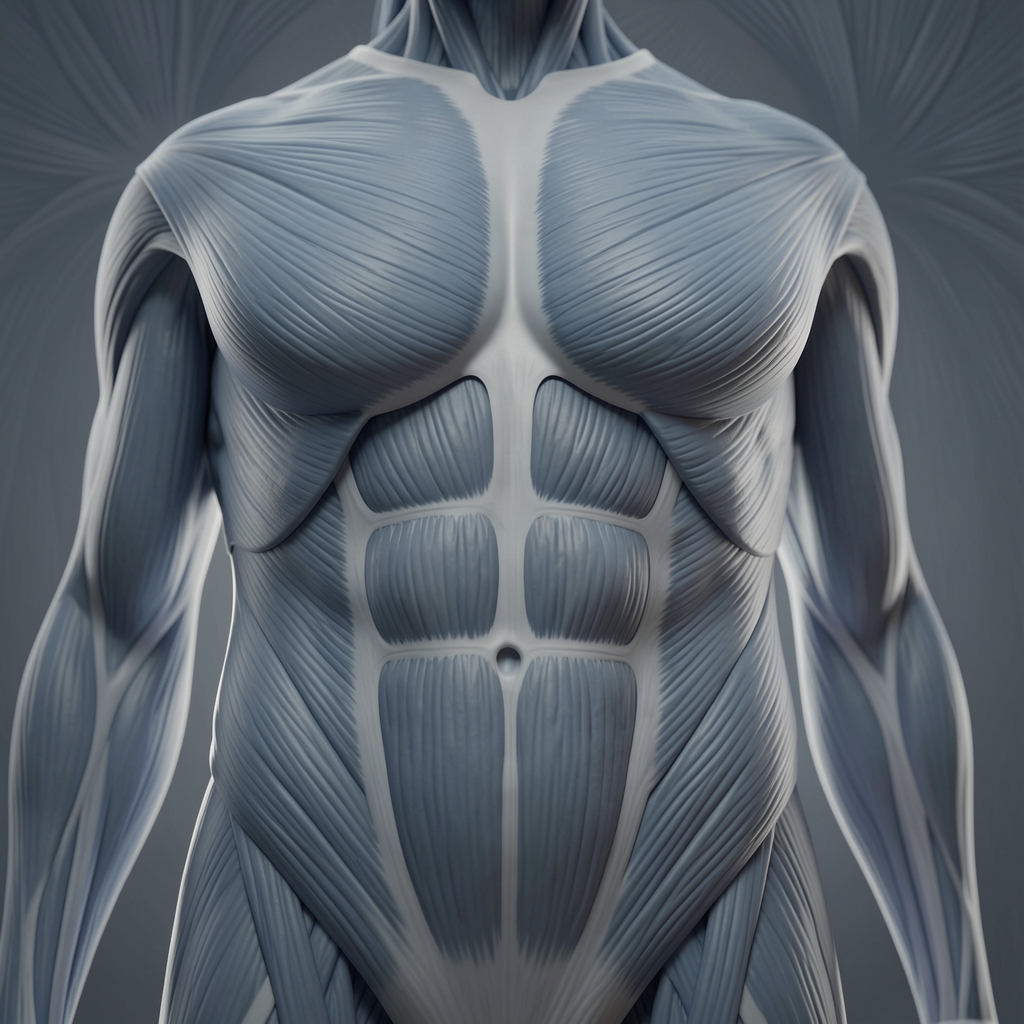
Understanding Pelvic Floor Basics
An overview of structure, function, and terminology for readers approaching the subject for the first time.
Read further
Addressing Common Understandings
A structured examination of frequently misunderstood aspects of the topic, presented with neutral context.
Read further
Historical Perspectives on Pelvic Wellness
An account of how understanding of this subject developed across different eras and traditions.
Read further